Corrugated Single Machines
Why Choose Us
Rich experience
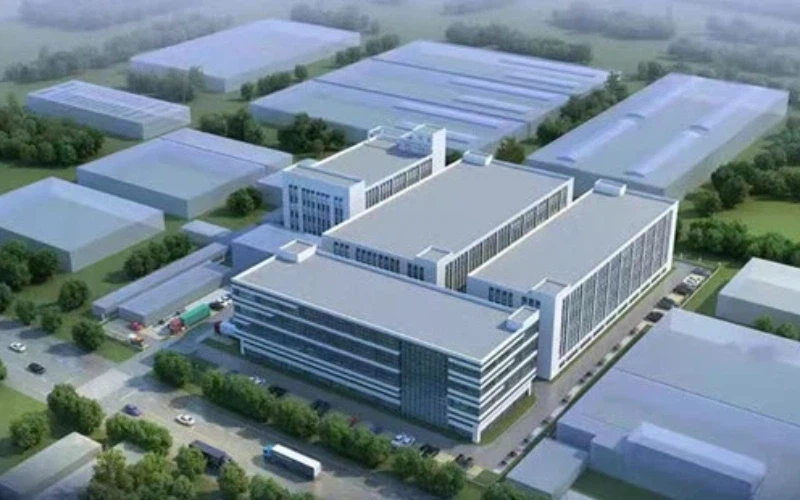
Aydly Intelligent Packaging Machinery (Guangdong) Co., Ltd. is one of the subsidiary of A.S.I. Group (American Sunflower International Group Co., Ltd.) headquartered in New York USA, Singapore and Hong Kong, China.
One-stop solution
We integrate technology research and development, manufacturing and processing, assembly, sales, export, installation and after-sales service, etc. We commit to provide a full range of solutions to the global customers of paper and paperboards related with industries of manufacturing, printing and packaging.
High quality
We specialize in carton box printing and packaging machines, corrugated paperboard production lines, laminating machines, flat bed die cutting and creasing machines, EPC with paper making machines, etc.
High quality service
Our sales staff visit the customers' plants and discuss requirements, online communication, answer questions and solve difficulties. Technicians on-site installation, regular factory tour to check the machines running and maintenance, repair and fix, global express delivery for the ordered parts, etc.
What Is Corrugated Single Machine
A corrugated single machine is a piece of machinery used in the production of corrugated cardboard. This machine creates a single corrugated cardboard face, which is then adhered to a flat linerboard to produce a complete corrugated board.
-
 Cassette Type Single FacerThe corrugated roller and pressure roller are loaded with pneumatic control, which has a cushioningAdd to Inquiry
 -
 Mill Roll Stands Of Corrugated LinesCorrugated cardboard box hydraulic roll stands are especially used in cardboard corrugatedAdd to Inquiry
 -
 Automatic Splicer Machine for Corrugated LinesOur Automatic Splicer Machine is for corrugated cardboard production line, its Lengthen type can beAdd to Inquiry
 -
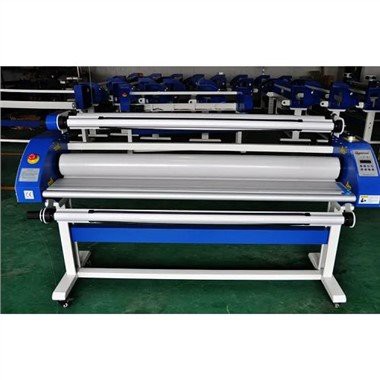 Pre Conditioner for Corrugated Cardboard LinesThe Preheating cylinder of the following machines, electric shaft-free roller frames, aerialAdd to Inquiry
 -
 Wet Section Of Corrugated Cardboard LinesEach Mill roll stand is installed two railing and pulley;. Railing length: 8 meters. With ruler onAdd to Inquiry
 -
 Dry End Machine Of Corrugated LinesOur Dry End Roller processing system for automatic rollers, shafts, and core machines for dry endAdd to Inquiry
 -
 Single Facer Machine for Corrugated LinesSymmetrical structure can also be installed at the same time two bundles of paper, paper can carryAdd to Inquiry
 -
 Conveyor Bridge Machine for Corrugated LinesOur Conveyor Bridge Machine For Corrugated Line is to convey the corrugated single face cardboardAdd to Inquiry
 -
 Single Gluer Machine for Corrugated LinesCorrugated line is the production of corrugated Cardboard of professional equipment, compose of theAdd to Inquiry


- Aydly Intelligent Packaging Machinery (Guangdong) Co., Ltd.
- Tel: +86-20-84885226
- Fax: +86-20-34714772
- Cell/WeChat: +86-13808819567
- Email: ai88pack@gmail.com AlPackMachine@163.com AYDLY_PACK@163.COM
- Add: No.15 Fuhua Road, Zhongcun, Panyu District, Guangzhou, China.
The main components of a corrugated single machine include a paper mill roll stand, corrugating roller, pressure roller, preheating roller, gluing device, pneumatic device, paper guide, and vacuum adsorption device.
First, the corrugated core paper is heated, and then the corrugating roller is used to shape the paper into the required corrugated form. The corrugated paper is then bonded to form a single facer corrugated board. The heating methods for the core paper include steam heating, electric heating, and oil heating. The flutes of the corrugated single machine can be customized as needed.

What are the advantages of corrugated single machines
A corrugated single machine transforms simple paper sheets into strong corrugated boards—commonly known as cardboard. By feeding the paper through a series of rollers, the machine creates a distinctive wavy pattern that imparts strength and durability to the boards. These boards are essential for protecting goods during storage and transit, forming the basis of many packaging solutions.
The Versatility Factor
The adaptability of corrugated single machines is one of their greatest features. They can produce various types of boards, including single-wall and triple-wall corrugated boards, to meet different packaging requirements. Corrugated single machines can create heavy-duty boxes for industrial equipment or lightweight packaging for e-commerce shipments, tailored to individual needs.
Enhanced Durability and Protection
When it comes to safeguarding products during transit, corrugated packaging is an excellent choice. The unique structure of corrugated boards provides outstanding cushioning and shock absorption, reducing the risk of damage from collisions and vibrations.
Eco-Friendly Packaging Solutions
In today’s world, where sustainability is crucial, corrugated packaging offers a compelling green alternative. Cardboard is renewable, recyclable, and biodegradable, making it a preferred material for environmentally conscious consumers and businesses, as opposed to plastic-based materials. Corrugated single machines contribute to promoting sustainable practices by efficiently producing recyclable packaging materials and reducing the carbon footprint of supply chains.
Streamlined Production and Cost Efficiency
Corrugated single machines are known for their exceptional efficiency, allowing for rapid output without compromising quality. By automating the manufacturing process, these machines eliminate human error and maximize throughput, ensuring consistent results even in high-volume production scenarios. This streamlined approach not only boosts operational efficiency but also saves businesses money in the long term, making corrugated packaging a cost-effective solution.
Innovation and Customization Opportunities
The advancement of corrugated single machines has paved the way for innovation in packaging design and customization. Technologies such as die-cutting and digital printing allow for complex designs, vivid graphics, and personalized branding possibilities, enhancing both the aesthetics and structural integrity of packaging. Corrugated single machines enable businesses to distinguish themselves in a competitive marketplace with custom boxes and eye-catching displays that attract customers.
In corrugated paperboard manufacturing machines, the most important component is the single facer, often referred to as the heart of the corrugated cardboard production line. For the single facer, the most critical parts are the five rollers: the upper corrugated roller, the lower corrugated roller, the pressure roller, the glue roller, and the doctor roller (or wiper roller).
Notes on Corrugated Rollers in the Corrugated Cardboard Manufacturing Process:
Maintaining Roller Balance
Ensure the balance of the corrugated rollers. Install electric components between the upper and lower corrugating rollers in the single facer to maintain their balance during operation. Imbalance can cause significant damage to the corrugating rollers, leading to machine vibration, eccentric wear, or incorrect installation. To prevent these issues, regularly check the balance of the corrugating rollers.
Checking Roller Balance
When the corrugating rollers are turning, insert a piece of liner paper into the gap between the upper and lower corrugating rollers, then remove it and check the marks. If the lines are parallel, this indicates good balance.
Temperature Control
In the single facer, the corrugating medium and outer liner are heated by steam to become soft and moist, making them suitable for corrugation and gluing. The temperature on the surface of the corrugating rollers is a key factor influencing the quality of the corrugated cardboard. If the boiler cannot achieve a high enough temperature, or if the temperature in the single facer and pre-heater cylinder is too low, it negatively affects the forming quality of the corrugated cardboard and increases wear if pressure is increased.
Cleaning Rollers
Besides maintaining balance, keep the surfaces of the corrugating rollers clean. Typically, residual glue and paper scraps can dirty the rollers. If these residues remain on the surface, they increase friction, potentially damaging the cardboard and negatively affecting suction efficiency.
The Construction of the Corrugated Single Machine
The corrugated single machine consists of three main units:
Flute Forming Unit: This unit includes large, gear-like rollers that create the C-flute formation and are powered by motors. The rollers can be heated using conductive c oils inside them, and screw adjustments control the pressure between the rollers. Steamers are mounted in the paper feeding area to heat the paper to the desired temperature.
Gluing Unit: This unit features a pair of rollers that apply glue to the paper. The glue is transferred from the reservoir to the flutes on the rollers.
Liner Laminator Unit: This unit consists of two pressure rollers driven by a motor. The pressure between the rollers is adjusted by a screw. As the paper moves through the machine, the rollers catch and bend it, creating corrugated paper. This unit handles both the plain and corrugated sides of the single-face corrugated paper.
What Are the Key Features of a Corrugated Single Machine
Flute Profiles
An essential characteristic that elevates a corrugation machine to the next level of innovation is its capacity to create complex flute profiles. These wavy patterns, similar to corrugated waves, make corrugated cardboard strong and versatile. The flute profiles—such as A, B, C, E, and F—serve as the structural foundation of corrugated packaging.
The A-flute, with its larger size, offers excellent cushioning and impact resistance, making it ideal for delicate or fragile items. Conversely, the B-flute, which has a higher number of waves per linear foot, is better for stacking strength and is often used in applications requiring vertical strength.
The C-flute strikes a balance between A and B flutes, providing versatility for various packaging needs. The E-flute, with more waves per linear foot, is commonly used for luxury packaging and offers a smoother surface for finer printing applications. Finally, the F-flute is known for its lightweight and sturdy characteristics, making it suitable for space-efficient applications due to its compact structure.
Single-Facer Unit
The single-facer unit is a crucial component of all state-of-the-art corrugation machines, marking the beginning of the corrugation process with its advanced technology. This unit coordinates the corrugated medium and liner sheets to create a sturdy and durable corrugated board.
Think of this section as the conductor of a symphony; the quality and integrity of the final output depend on its precision and effectiveness. With its sophisticated technology and design, the single-facer unit corrugates the medium to produce the flutes—a distinctive wave pattern that signifies the durability and strength of corrugated single machines in modern packaging.
Glue Application System
The glue application system is a key player in the corrugation process, ensuring the strong bonds that define corrugated perfection. This system applies adhesive precisely, a critical stage that ensures a flawless union between the corrugated medium and liner sheets.
The glue application system exemplifies innovation by providing a precise, customizable, and controlled method for applying adhesive. This feature allows corrugation machines to handle various paper thicknesses and flute profiles, resulting in consistent and uniform bonding strength—a hallmark of reliable packaging.
Heating and Drying Mechanism
The heating and drying mechanism plays a crucial role in transforming the malleable forms into sturdy constructions. This system ensures that the glue between the corrugated medium and liner sheets cures effectively, providing strength and stability to the finished product.
Essentially, the heating and drying mechanism represents fine engineering. It carefully controls humidity and temperature to prevent issues such as delamination, warping, and uneven drying. This guarantees that the corrugated board maintains the desired structural integrity and dimensional stability upon completion.
Web Tension Control
In the world of corrugation machinery, the web tension control system is an unsung hero. This feature is vital for managing the smooth passage of the corrugated web through the machine, ensuring accuracy and consistency in each undulation.
Web tension refers to the regulated force applied to the moving web during production. The web tension control system prevents problems like uneven gluing, wrinkling, and creasing, ensuring that the corrugated board emerges perfect and ready for its packaging function.
Precision Cutting and Stacking
Precision cutting and stacking are crucial in the complex world of corrugation technology. This dual-function mechanism, the final step in the corrugation process, elevates production to an art form, ensuring that every corrugated board is produced with exacting precision and efficiency.
The precision cutting feature represents technological accuracy. Automated cutting mechanisms, controlled by sophisticated systems, trim the corrugated board to fractions of millimeters. This precision is essential for maintaining consistent measurements and creating packaging solutions tailored to various industry requirements.
Aydly Intelligent Packaging Machinery (Guangdong) Co., Ltd. is one of the subsidiary of A.S.I. Group (American Sunflower International Group Co., Ltd.) headquartered in New York USA, Singapore and Hong Kong, China. We specialize in carton box printing and packaging machines, corrugated paperboard production lines, laminating machines, flat bed die cutting and creasing machines, EPC with paper making machines, etc.
We integrate technology research and development, manufacturing and processing, assembly, sales, export, installation and after-sales service, etc. We commit to provide a full range of solutions to the global customers of paper and paperboards related with industries of manufacturing, printing and packaging.


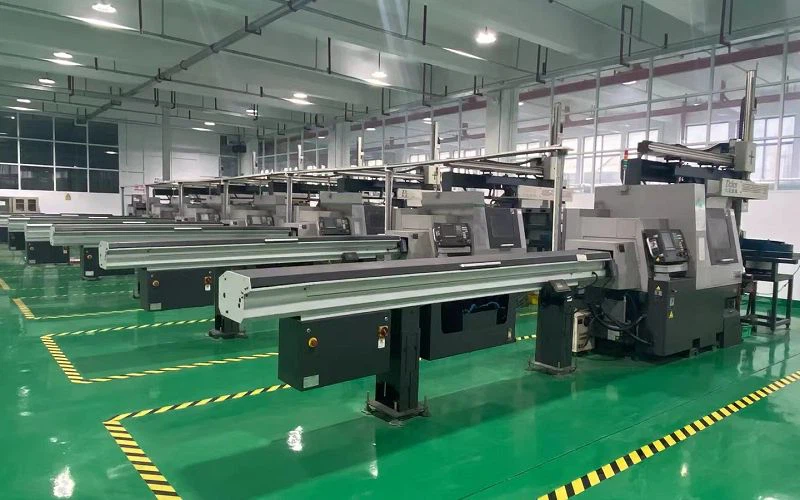


Products Equipments
Our machines are used in paper mills, corrugated paperboard factories, carton box makers, printing and packaging factories, etc.